






KLOW 80 - GHK-Cu (50mg) / KPV (10mg) / BPC-157 (10mg) / TB500 (10mg)
Overview
KLOW 80 is a multi-component research blend combining four bioactive peptide systems—GHK-Cu (50 mg), KPV (10 mg), BPC-157 (10 mg), and TB-500 / thymosin-β4–related peptide (10 mg)—formulated and sold as a single lyophilized vial intended for laboratory research. Peptide Sciences+2Pure Bio Labs+2
In the literature, each component has been investigated (individually) for roles spanning inflammation signaling, extracellular matrix remodeling, cell migration, angiogenesis, and tissue repair biology. Importantly, the “KLOW 80” combination itself is primarily a vendor-defined blend, and it is not as extensively characterized in peer-reviewed research as the individual constituents. Peptide Sciences+2Physiology Journals+2
Content note: “50 mg / 10 mg / 10 mg / 10 mg” typically describes vial content (mass), not dosing guidance.
Chemical Structure
-
Class: Multi-peptide research blend (4-component) Peptide Sciences+1
-
Composition (per vial):
-
GHK-Cu (Copper tripeptide complex): 50 mg Pure Bio Labs+1
-
KPV (α-MSH 11–13 tripeptide): 10 mg Pure Bio Labs+1
-
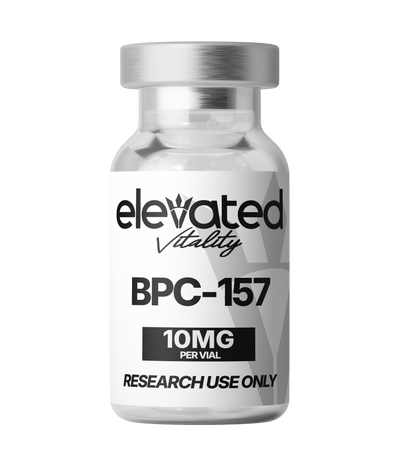
BPC-157 (stable gastric pentadecapeptide): 10 mg Pure Bio Labs+1
-
TB-500 (thymosin-β4–related peptide): 10 mg Pure Bio Labs+1
-
-
Synonyms / Product naming: “KLOW Blend,” “KLOW 80,” “Klow Blend Vial (80 mg)” (vendor naming varies) Peptide Sciences+2Pure Bio Labs+2
Research Applications & Findings
1. Inflammation Signaling Modulation (NF-κB–linked pathways and cytokine tone)
-
KPV (α-MSH 11–13) has been studied in inflammation models for inhibiting TNF-α–stimulated NF-κB activation and related inflammatory signaling in cellular systems and experimental contexts. sciencedirect.com+2PMC+2
-
Thymosin β4 (TB4) is also reported to interface with inflammation-related pathways (including NF-κB/TLR-linked mechanisms) in tissue injury and repair settings. PMC+1
Why this matters in research: the blend is often positioned for experiments where researchers want to probe both injury repair and inflammatory resolution in the same model system, while acknowledging each constituent has distinct primary biology.
2. Wound Biology, Re-epithelialization, and ECM Remodeling Endpoints
-
GHK-Cu is widely documented as a copper-binding tripeptide complex associated with wound repair/skin biology, including effects on collagen/ECM components and gene-expression programs relevant to tissue remodeling. PMC+1
-
Thymosin β4 (TB4) is described as a multifunctional peptide involved in repair/regeneration, including re-epithelialization and inflammatory coordination in wound contexts. PubMed+1
Common endpoints used: re-epithelialization rate, collagen organization, inflammatory infiltrate markers, and remodeling-phase gene expression.
3. Cell Migration and Cytoskeletal Dynamics in Repair Models
-
Thymosin β4 is a major G-actin–binding peptide that influences actin dynamics—an important lever in cell migration during repair processes (e.g., endothelial cells, keratinocytes, fibroblasts). sciencedirect.com+1
-
BPC-157 has been repeatedly explored in preclinical tissue-injury models with reported effects on cellular behaviors relevant to repair (migration/survival signals), though much of the evidence base remains preclinical and heterogeneous. Physiology Journals+1
4. Angiogenesis and Microvascular Support as a Repair Mechanism
-
GHK-Cu is frequently discussed in research literature for angiogenesis-related and repair-supportive signaling in wound/healing biology. PMC+1
-
Thymosin β4 has also been studied in tissue regeneration contexts where revascularization and endothelial behavior are key outcomes. PubMed+1
-
BPC-157 is often framed in reviews as having an “angiogenesis/cytoprotection” profile across multiple preclinical systems, though translation and standardization remain active discussion points. PMC+2Frontiers+2
5. Tendon / Ligament / Musculoskeletal Repair Models (preclinical emphasis)
-
BPC-157 has notable representation in tendon and musculoskeletal injury literature, including studies describing improved tendon healing endpoints in animal models, and review articles summarizing orthopedic/sports-medicine interest (with limited human data). Physiology Journals+1
-
Thymosin β4 has also been explored in connective tissue healing contexts, including ligament-related models. sciencedirect.com+1
Research Status
KLOW 80 should be treated as a vendor-formulated research blend that aggregates four peptide systems with substantial individual literature (especially GHK-Cu and thymosin β4; and a large preclinical body for BPC-157; plus mechanistic inflammation literature for KPV). sciencedirect.com+3PMC+3PubMed+3
However:
-
The blend itself is not equivalently standardized in peer-reviewed studies, so experimental interpretation is typically strongest when framed as multi-target exposure rather than a single defined mechanism. Peptide Sciences+1
-
For rigorous work, researchers generally confirm identity/purity and account for component-specific stability and exposure dynamics (four molecules with different sizes, binding characteristics, and degradation profiles).
Advanced Research Peptide: A highly stable synthetic heptapeptide designed for laboratory and academic research use.
High Purity & Stability: Built with the Pro-Gly-Pro (PGP) motif to resist enzymatic breakdown, enabling consistent results in experimental settings.
Neuroactive Properties: Its unique structure allows researchers to explore effects on neuroplasticity, gene expression, and molecular signaling pathways.
Molecular Precision: With a defined sequence (MEHFPGP) and confirmed molecular weight (813.9 Da), it offers reliability for controlled studies.
Versatile Application in Studies: Used to investigate areas such as cognitive processes, neurotransmitter activity, and cellular response to stress in preclinical models.
Backed by Published Research: Extensively studied in animal models and human volunteers for its influence on molecular and behavioral parameters (see citations).
We prioritize the highest safety standards for all our research products. Each compound is sourced from reputable laboratories and undergoes stringent quality checks before distribution. All items are intended strictly for in-vitro research purposes only and are not for human or animal consumption. Always handle these products using proper laboratory safety protocols.
Our products are produced and tested to ensure exceptional purity levels for research consistency. Every batch is analyzed using validated methods such as HPLC and mass spectrometry to confirm identity and quality. This rigorous approach ensures reliability and reproducibility in your scientific studies.
Always Quality-Tested, With proven results
Purity Verification
- Independent analysis confirming 99%+ purity for every batch.
Sterility Assurance
- Validated through sterile handling and testing protocols.
pH Balance Check
- Ensuring stability, consistency, and proper formulation standards.
Endotoxin Screening
- Rigorous checks to confirm compounds meet strict safety thresholds.
Why choose Elevated Vitality

Verified Purity
Every compound is third-party tested and verified 99%+ pure for consistency and reliability.

Made in USA
Manufactured under strict quality standards, ensuring trust and transparency at every step.

Transparent Pricing
No hidden fees, no subscriptions — straightforward access to premium formulations.

Seamless Experience
Fast, discreet shipping and a refined online ordering process designed for ease.
| Elevated Vitality Peptides | Typical Peptides Company | |
|---|---|---|
| Purity |
99%+ Verified Purity
|
Often Unverified
|
| Sourcing |
Made in USA, Strict Quality Controls
|
Overseas or Unclear Origins
|
| Transparency |
Clear Pricing, No Hidden Fees
|
Markups, Hidden Costs
|
| Standards |
Research-Driven, Lab-Tested
|
Limited Testing or Oversight
|
| Experience |
Luxury Packaging & Premium Support
|
Generic Presentation
|
| Trust |
Built On Integrity & Consistency
|
Little Brand Accountability
|